The opportunity

Title

Ignite Scholar

Overview

NEOMED is seeking four to five Ignite scholars for its inaugural Ignite scholar cohort.

Are you a junior biomedical researcher or educator ready to launch your academic career?

The new Ignite Scholar program is your gateway to a tenure track faculty position at Northeast Ohio Medical University. This unique program is aimed at talented young researchers with doctoral degrees early in their postdoctoral training.  The program offers two dynamic tracks that will groom Ignite scholars to transition to a tenure-track faculty position after two years:

  • Research Track: Dive into a vibrant mentored research environment where you can build a robust research program with minimal teaching or service responsibilities, allowing you to focus on innovation and discovery.
  • Graduate Education in Biomedical Science and Innovation Track: Lay the groundwork for a thriving career in educational scholarship and faculty teaching, where you can inspire the next generation of physicians, pharmacists, dentists, and scientists.

The Ignite Scholar program will provide you with the invaluable opportunity to collaborate closely with a senior mentor at NEOMED, guiding you to define your career. Explore fields such as neuroscience, cancer biology, cardiovascular biology, tissue regeneration, motor control, bioinformatics, and medical education.

This is not just a position; it’s a chance to “Ignite” your potential, to illuminate your chosen biomedical research area or the minds of our students, and to be mentored into a tenure track faculty position. Join us in shaping the future of science and education!

Key responsibilities

Scholarly pursuits and research:
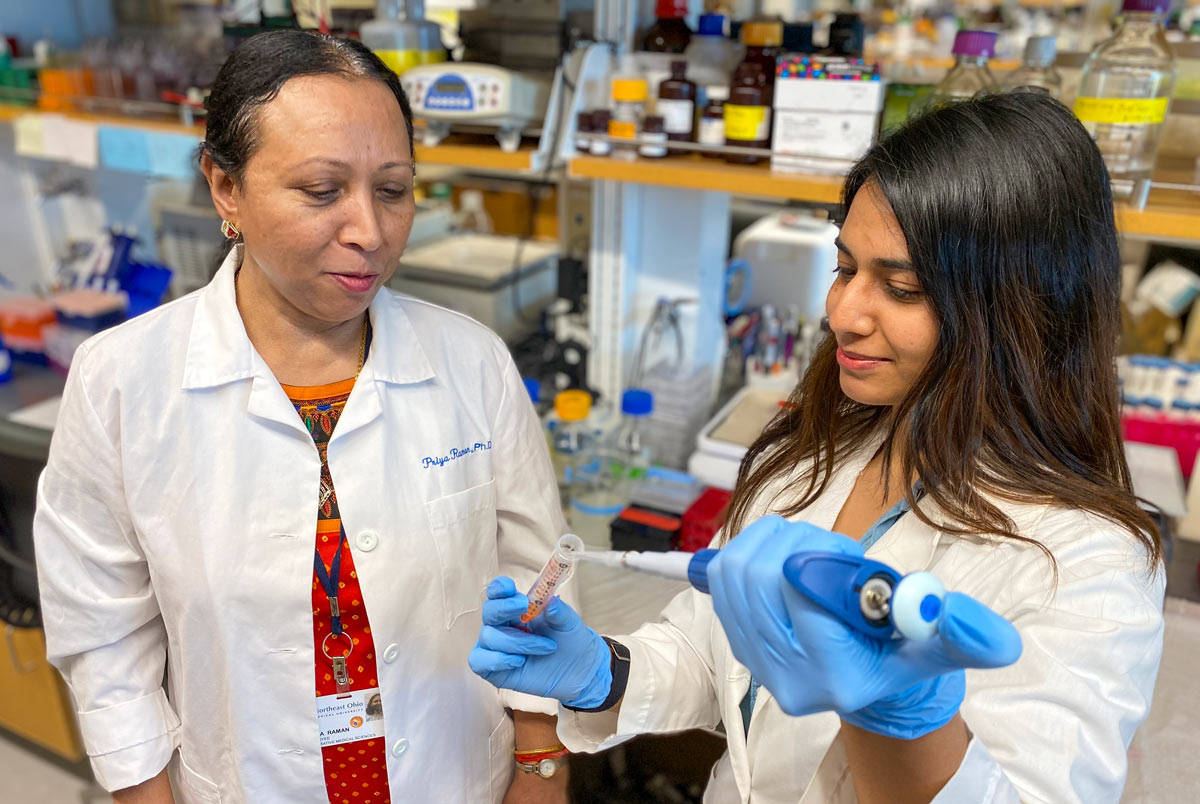
Two NEOMED College of Medicine researchers look at lab results.

  • At least 50% of the Ignite Scholar’s time in the graduate education track will be protected for educational research, dissemination, and grant writing.
  • Conduct collaborative scholarly inquiry, write and publish quality papers, and participate in scholarly activities within the laboratory.
  • Conduct innovative research within the mentor’s lab, developing a new research initiative that melds the candidate’s previous experience with the expertise of the research mentor. See mentor profiles on our research pages.
  • Collaborate with the mentor to formulate a personalized research development plan with clear milestones toward achieving research independence.
  • Publish research findings in high-impact journals and present at relevant conferences.
  • Write and submit at least one extramural grant application

Mentorship and career development:

  • Work closely with the assigned mentor to receive guidance on research strategies, grant applications, and career development.
  • Participate in regular meetings with the mentor to review progress and adjust the research development plan as needed.
  • Engage in professional development opportunities and networking to enhance research skills and career prospects.

Teaching:

  • The candidate may participate in graduate or medical student education and lab personnel training. Previous teaching experience is not required.
  • For the Research Track: Perform about five hours of teaching per year, which may include guest lectures or seminar presentations. Upon successful transition to tenure track assistant professor, teaching duties will be those of any full-time tenure-track faculty.
  • For the Graduate Education in Biomedical Science & Innovation Track: Perform about 15 hours of mentored teaching and student advising per week, including course preparation, content delivery, assessment, and student mentoring. A faculty educational mentor will provide peer-review of performance and offer supportive resources for curriculum development.

Service:

  • No service requirement during participation in the Ignite Scholars program. Service requirements upon transition to tenure track assistant professor will be consistent with those for others of similar rank at NEOMED.

Administrative and collaborative duties:

  • Collaborate in preparation of grant proposals and research reports.
  • Collaborate with other researchers, both within the laboratory and across the institution, to foster interdisciplinary research opportunities.
  • Contribute to the research environment by participating in lab meetings and contributing to collaborative projects.
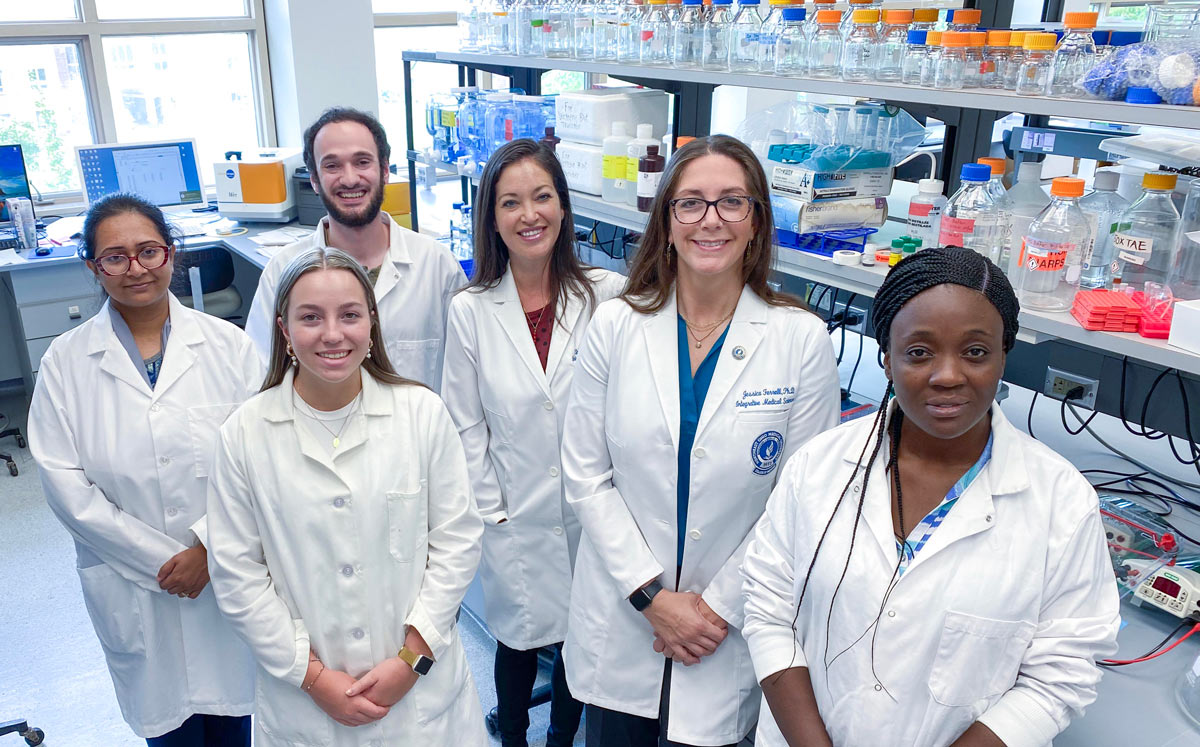
A NEOMED researcher stands with her research associates. They are all in white coats.

Qualifications

Education

  • Ph.D. or equivalent in biomedical sciences or a closely related discipline, with the degree requirements expected to be completed before appointment starts
  • Early postdoctoral experience preferred

Requirements

  • Must be eligible to submit NIH or NSF proposals

Experience

  • Demonstrated research experience with a track record of first author publications in high impact peer-reviewed journals.
  • Evidence of strong analytical and problem-solving skills.

Skills

  • Proficiency in relevant techniques for the candidate’s research area
  • Excellent written and verbal communication skills.
  • Ability to work both independently and collaboratively in a research setting.

Personal attributes

  • Strong motivation and ambition to build a research career.
  • Openness to mentorship and guidance.
  • Ability to manage multiple projects and meet deadlines.

How to apply

Apply on our Careers site.

About NEOMED

The exterior of NEOMED on a rainy evening.Northeast Ohio Medical University (NEOMED), located in the Greater Cleveland area, enrolls about 1,000 students in four colleges — Medicine, Pharmacy, Graduate Studies and the Bitonte College of Dentistry. It offers Doctor of Medicine (M.D.) and Doctor of Pharmacy (Pharm.D.) degrees, as well as master’s and doctoral degrees and research opportunities in other medical and life science areas. The University’s newly established Bitonte College of Dentistry will begin offering a Doctor of Dental Surgery (D.D.S.) degree in 2025. The curriculum emphasizes academic rigor, didactic learning and practical experience, allowing students to engage with real-world health challenges through research as part of their training.

NEOMED’s unique areas of service include Coordinating Centers of Excellence, which disseminate best practices for treating mental illness; online didactics and onsite training through several programs; and patient services through its centers at NEOMED Health Care and its award-winning NEOMED Free Clinic.

The position of research assistant professor presents an opportunity for candidates with a Ph.D. to engage with this vibrant academic research community. Those who join NEOMED will find a supportive environment that values inquiry and the pursuit of knowledge as essential components of enhancing health outcomes.

Northeast Ohio: Health care powerhouse

Northeast Ohio is home to one of the most robust health care and health care research ecosystems in the United States. At the heart of the region’s health care strength are world-renowned institutions, including the Cleveland Clinic and University Hospitals Cleveland Medical Center (UH), both of which play a significant role in clinical care, research and medical education.

Cleveland and the broader Northeast Ohio region are well-positioned to attract research funding. The National Institutes of Health, for example, has consistently awarded major grants to NEOMED, the Cleveland Clinic, University Hospitals and others for medical discovery.

Life at NEOMED

NEOMED is based in Rootstown, which offers a blend of small-town charm and urban accessibility.

Rootstown serves as a convenient hub for exploring the rich cultural life of nearby Cleveland and Akron, where eclectic museums, thriving arts scenes and diverse culinary experiences await. One of the region’s crown jewels is the Cleveland Orchestra, one of the most celebrated orchestras in the world. The area is also home to the Cleveland Museum of Art, which houses an impressive collection of more than 61,000 works, spanning 6,000 years of history. Nearby, Playhouse Square in downtown Cleveland is the second-largest theater district in the U.S., hosting Broadway shows, concerts and other live performances.

A waterfall in Cuyahoga Valley National Park near NEOMED.Outdoor enthusiasts will find plenty to enjoy as well. Cuyahoga Valley National Park covers more than 33,000 acres, with waterfalls, hiking and biking trails, scenic train rides and opportunities for birdwatching and wildlife encounters. Whether it’s summer hiking along the Towpath Trail or winter sports at Brandywine Ski Resort, the park enhances quality of life with year-round recreation.

Additionally, Lake Erie provides boating, fishing and beach opportunities, particularly around the Lake Erie Islands and Cleveland’s revitalized waterfront. From the Rock and Roll Hall of Fame to the Pro Football Hall of Fame in Canton, there’s no shortage of attractions to explore.

With a lower cost of living compared to major coastal cities, affordable housing and highly rated school districts, Northeast Ohio is a region where rising researchers can build fulfilling careers without sacrificing work-life balance.

Research at NEOMED

With modern facilities and a broad network of accomplished health care partners, NEOMED supports a collaborative research environment, encouraging interdisciplinary work that addresses pressing health issues.

NEOMED’s research is gathered into seven focus areas:

  1. The Diabetes, Obesity and Metabolism Focus Area focuses on advancing understanding and treatment of metabolic diseases that impact millions globally. A multidisciplinary approach integrates molecular biology, pharmacology and clinical research to explore novel interventions for diabetes, obesity and related metabolic disorders. Through innovative collaborations, the team seeks to improve therapeutic outcomes and enhance quality of life for those affected by these chronic conditions. Marc Basson M.D., Ph.D., M.B.A., dean of NEOMED’s College of Medicine, is a member of this team.
  2. The Heart and Blood Vessel Research Focus Area is dedicated to unraveling the complexities of cardiovascular diseases, which remain a leading cause of death worldwide. Investigations span molecular mechanisms, drug discovery and clinical applications to address conditions such as hypertension, heart failure and vascular disorders. By fostering cross-disciplinary collaborations, the group aims to develop new therapies and improve patient outcomes in cardiovascular health.
  3. The Health Services Research Focus Area works to improve the efficiency, accessibility and quality of health care delivery. Through rigorous data analysis and policy evaluation, the team examines health care systems, patient outcomes and the social determinants of health. The research aims to inform policy changes and develop strategies that enhance health care equity and reduce disparities across diverse populations.
  4. The Hearing Research Focus Area is committed to advancing the understanding of auditory processes and tackling the causes of hearing loss. The work spans cellular biology, neuroscience and genetics to uncover the mechanisms behind hearing impairment and to develop innovative treatments. By translating scientific discoveries into clinical applications, the team seeks to improve the lives of those affected by auditory disorders and contribute to hearing health globally.
  5. The Musculoskeletal Research Focus Area investigates the underlying causes and treatments of bone and joint disorders, including arthritis, osteoporosis and tissue injury. This interdisciplinary research explores the molecular, genetic and biomechanical factors that affect musculoskeletal health and healing. By developing new therapeutic strategies, the team aims to improve mobility, reduce pain and enhance the quality of life for individuals affected by these debilitating conditions.
  6. The Neurodegenerative Disease and Aging Focus Area is dedicated to understanding the mechanisms that drive neurodegenerative disorders such as Alzheimer’s and Parkinson’s disease. This research spans molecular biology, genetics and pharmacology to uncover new insights into brain aging and to develop novel therapeutic approaches. By translating these discoveries into potential treatments, the team aims to slow disease progression and improve the quality of life for aging populations.
  7. The Education Research Focus Area advances the science of teaching and learning in health professions education. This research explores innovative instructional methods, curriculum development and assessment strategies to enhance student outcomes and professional competence. By applying evidence-based approaches, the team aims to improve how future health care providers are trained, ultimately improving patient care and health system performance.

NEOMED also boasts a range of amenities that support research.

  1. The Clinical and Translational Research Institute offers statistical support to anyone engaged in research at NEOMED. This assistance includes study design assistance, IRB protocol development, grant writing and proposal preparation, data analysis recommendations and interpretation of results.
  2. The university’s Technology Transfer Office aids in the commercialization of research findings. It helps innovators and industry protect their innovations, gain access to research facilities, create agreements and acquire capital.
  3. Additionally, the REDIzone offers a collaborative space for researchers and entrepreneurs, fostering partnerships that drive economic development in the region.
  4. The Medical Design Innovation Center provides state-of-the-art tools, space and know-how to the region’s entrepreneurs, health care systems, medical device companies, regional and state economic development organizations and other educational institutions.