Research focus of the Wang Lab
“One size does not fit all.” Standard drug treatments may fail to produce the desired therapeutic effects or, in certain instances, lead to life-threatening toxic reactions for many patients. Therefore, it is essential to gain a comprehensive understanding of the interindividual variability in drug responses.
The Wang Lab focuses on using pharmacokinetics and pharmaco-omics tools, including pharmacogenomics, proteomics, and metabolomics, to uncover the genetic and non-genetic factors that contribute to the differences in drug disposition and responses. Dr. Wang’s research aims to provide a knowledge base for precision medicine and improve pharmacotherapy efficacy and safety through biomarker discovery and predictive modeling of individual drug responses.
Current work
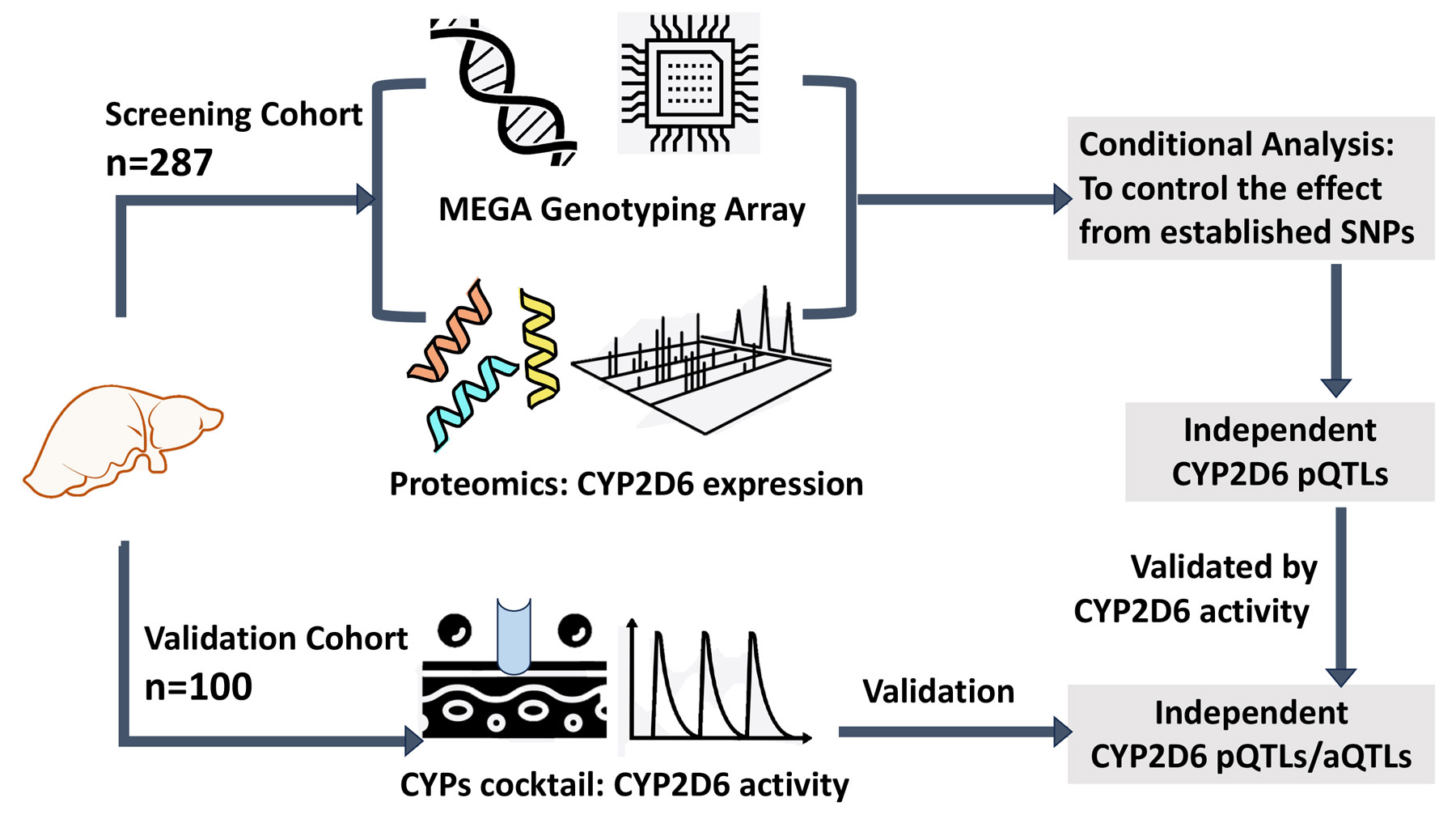 Figure1. Workflow for the CYP2D6 Pharmacogenomics project.
Project 1
Pharmacogenomics and Pharmacometabolomics informing Precision Pharmacotherapy
Cytochrome P450 2D6 (CYP2D6) is a critical enzyme metabolizing 20-25% of clinical medications. Despite known variants, much of its variability remains unexplained. We conducted a genome-wide association study (GWAS) on human liver samples, identifying novel variants associated with CYP2D6 protein expressions and activities. These discoveries hold potential to improve individualized drug therapies for the drugs mediated by CYP2D6 (Figure1).
CES1 is a predominant hydrolase in human livers, which is responsible for the hydrolysis of many clinically important medications. However, individual responses to CES1-metabolized drugs vary widely, prompting us to study genetic and environmental factors using multi-omics tools. This work aims to discover CES1 biomarkers that enhance the prediction of enzyme activity, aiding in optimizing drug therapies for CES1 substrates (Figure2).
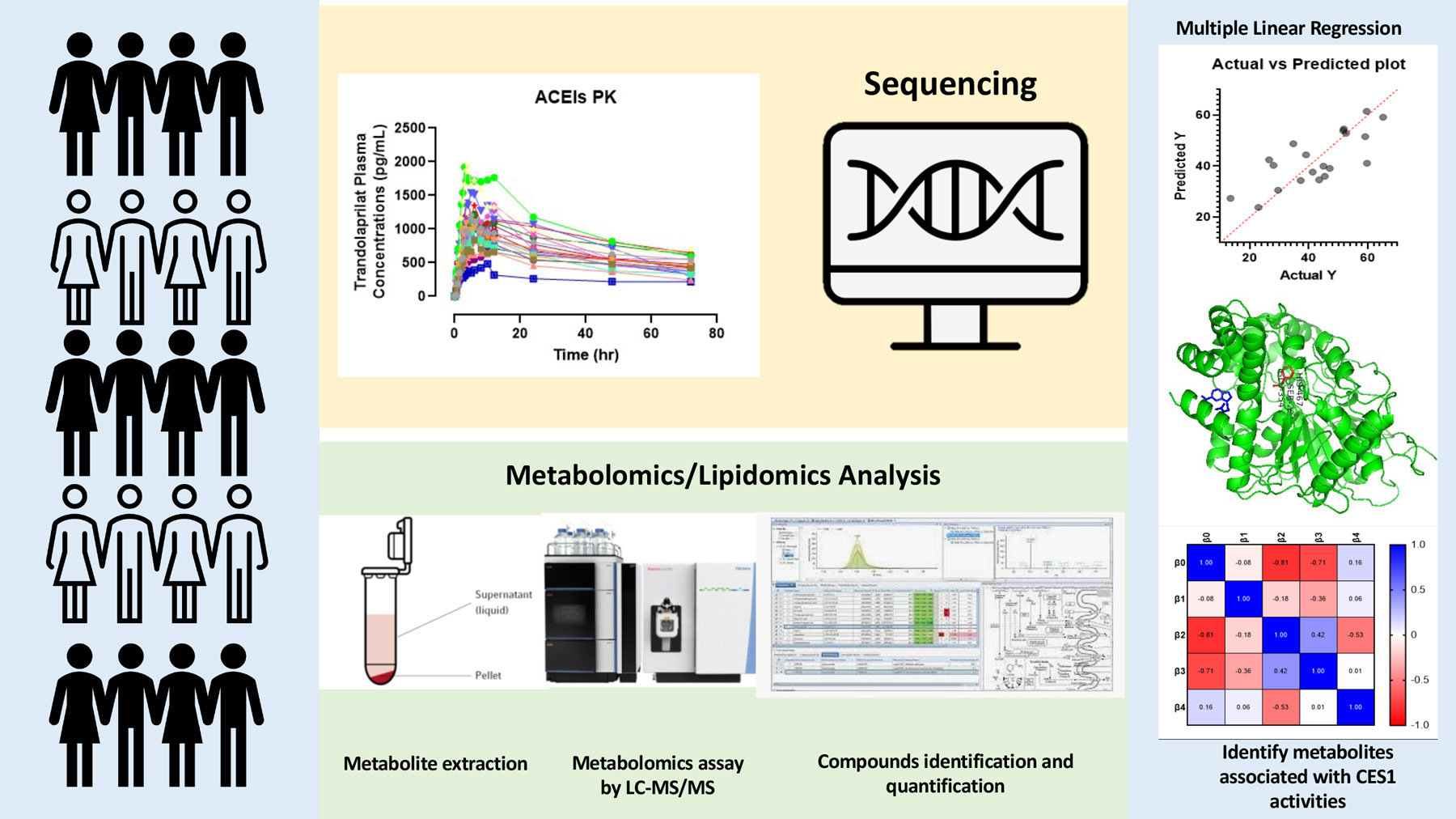
Figure2. The CES1 PGx-Metabolomics project workflow
Project 2
Drug Disposition in Neurodegenerative Diseases
Our lab is interested in investigating drug disposition in neurodegenerative diseases, where drug absorption, distribution, metabolism and excretion (ADME) may be altered. With millions of patients worldwide and a high failure rate in drug development, understanding these mechanisms is critical for optimizing therapies. Neurodegenerative diseases remain an unexplored frontier in modulating key drug disposition pathways, particularly for elderly patients who often take multiple medications. To bridge this knowledge gap, we collaborate with experts in neurodegenerative research to explore how these diseases influence the pharmacokinetics of commonly used drugs, aiming to improve patient outcomes.
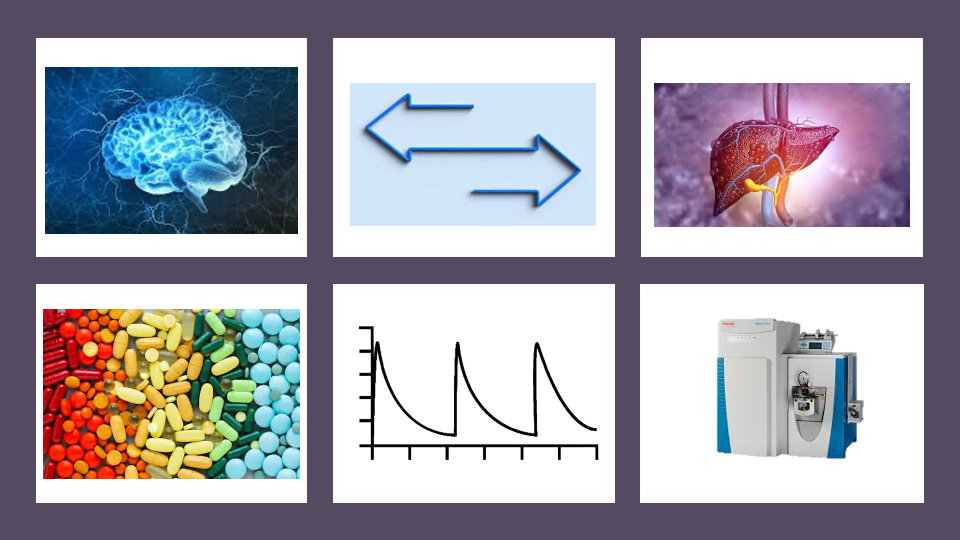
Figure3. Drug Disposition in neurodegenerative diseases
Project 3
Sex Differences in Drug Disposition
Sex differences in drug disposition is an area of growing importance. Numerous studies have shown that drug metabolism and transport (ADME) pathways differ between males and females, yet pharmacokinetic (PK) parameters for new drugs are often derived from clinical trials conducted predominantly with male subjects. This creates a critical knowledge gap in optimizing drug therapies for women. To address this, we collaborate with the director of University Hospitals’ clinical lab and utilize human samples, applying advanced multi-omics approaches to investigate how sex influences drug disposition. Our goal is to provide a scientific foundation for optimizing therapeutic regimens that are effective and safe for women.
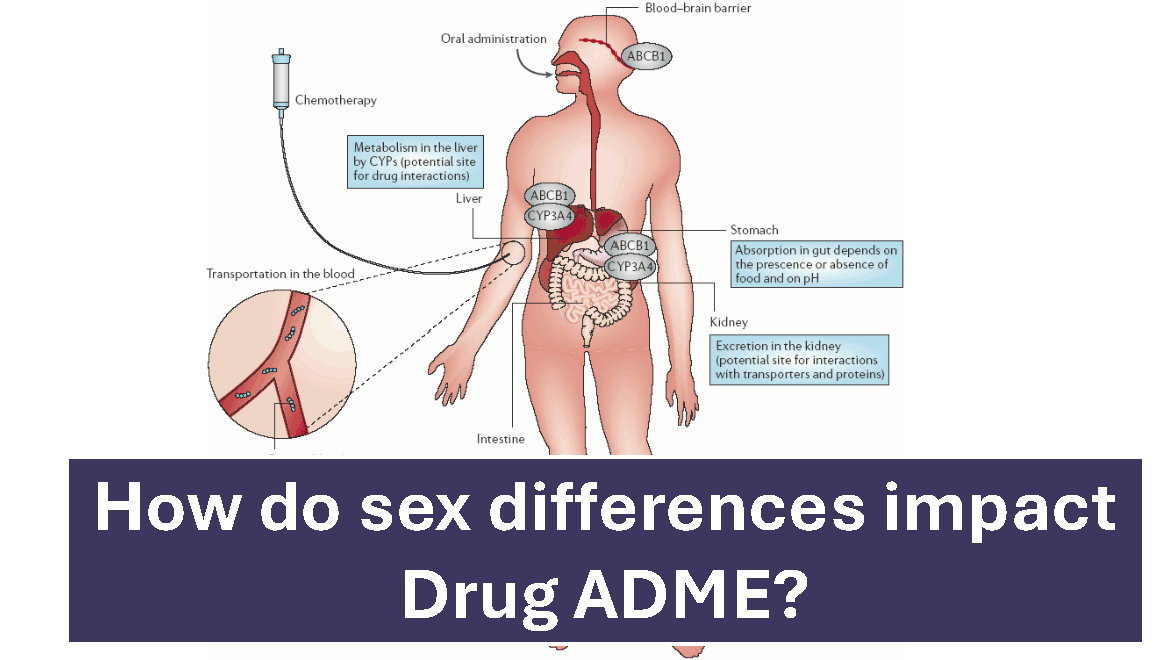
Figure4. Sex Differences in Drug Disposition
Open positions
See open positions in this lab on the NEOMED careers site
Select publications
- Smith D, He B, Shi J, Zhu H-J, Wang X, Cis- and trans- variants associated with Cytochrome P450 2D6 expressions and activities, Drug Metab Dispos, 2023, 52(2): 1-12, doi: 10.1124/dmd.123.00154
- Bhatt-Mehta V, Jing X, Wang X, Schumacher R, and Zhu H-J. Transplacental methadone exposure and risk of neonatal abstinence syndrome, Pharmacotherapy, 2023, https://doi.org/10.1002/phar.2863
- Shi J, Xiao J, Wang X, Jung SM, Bleske B.E., Markowitz J, Patrick K, and Zhu HJ, Plasma carboxylesterase 1 predicts methylphenidate exposure: a proof-of-concept study using plasma protein biomarker for hepatic drug metabolism, Clin. Pharmacol and Ther., 2021
- Wang X, Her L, Xiao J, Shi J, Wu A. H., Bleske B. E., and Zhu HJ, Impact of Carboxylesterase 1 genetic polymorphism on trandolapril activation in human and the pharmacokinetics and pharmacodynamics in healthy volunteers, Clin Transl Sci, 2021, https://www.ncbi.nlm.nih.gov/pmc/articles/PMC8301577/
- Her L, Wang X, Shi J, Choi HJ, Jung SM, Smith LS, Wu AH, Bleske BE, Zhu HJ, Effect of CES1 genetic variation on enalapril steady‐state pharmacokinetics and pharmacodynamics in healthy subjects, Br J Clin Pharmacol, 2021. https://pubmed.ncbi.nlm.nih.gov/33963573/
- Xiao J, Shi J, Li R, Her L, Wang X, Li J, Sorensen M, Bhatt-Mehta V, Zhu H-J, Developing a SWATH capillary LC-MS/MS method for simultaneous therapeutic drug monitoring and untargeted metabolomics analysis of neonatal plasma, J. Chromatogr. B., 2021. https://pubmed.ncbi.nlm.nih.gov/34365292/
- Wang X, He B, Shi J, Li Q and Zhu HJ, Comparative Proteomics Analysis of Human Liver Microsomes and S9 Fractions, Drug Metab Dispos. 2020, 48 (1): 31-40. https://www.ncbi.nlm.nih.gov/pmc/articles/PMC6918043/
- Wang X, Shi J, Zhu HJ, Functional Study of Carboxylesterase1 Protein Isoforms, Proteomics, 2019, 19 (4): e1800288 https://pubmed.ncbi.nlm.nih.gov/30520264/
View complete list of publications.
Select collaborators
Previous lab members
- Dylan Smith
Summer fellow and Research volunteer in Dr. Wang’s Lab (2023)
Current role: NEOMED M.D. student
- Reem Holozadah
APPE rotation (2023-2024)
Current role: Pharm.D. Candidate; President of the NCODA (National Community Oncology Dispensing Association) Organization for the NEOMED chapter; Intern at Eli Lilly, Biogen, Norvas
- Paul Lungu
Summer fellow in Dr. Wang’s Lab (2021)
Current role: PGY1 Pharmacy Resident at Cleveland Clinical Akron General
Equipment of significance
- Q-Exactive Orbitrap mass spectrometry
- Vanquish UPLC system
- UltiMate 3000 nano LC system (Thermo Fisher Scientific, San Jose, CA)
Select funders
- NEOMED Start-up Fund
- Multidisciplinary Intramural Fund
Lab members today
- Li Lin, M.S.
Research Coordinator
- Zachary McCalla, Pharm.D.
Ph.D. student
- Mehak Behal, B.S.
Graduate student in the Master of Science in Basic and Translational Biomedicine (Innovation Track) program, with Early Assurance privileges to join the Doctor of Medicine class in July 2025.