

Prepare to lead data-driven change in healthcare
This new graduate program empowers clinicians, researchers and aspiring data scientists to improve health outcomes through analytics and innovation. The curriculum blends advanced coursework with hands-on learning in collaboration with top health systems and research institutes.
What you’ll gain:
- Expert-led training in:
- Health-focused data science
- Artificial intelligence
- Advanced analytics
- Innovative coursework paired with real-world applications
- Access to faculty who are active researchers and field leaders
- Opportunities to collaborate on real health care challenges with health systems and research partners
Whether you’re already in the field or just starting out, the MS HDSA program equips you to lead transformative work in today’s data-powered health landscape.
Apply now via GradCAS!
 Program overview
This degree is perfect for:
- Healthcare professionals who want to advance their knowledge and complement their health/medical backgrounds.
- Traditional college students who are interested in pursuing health data science and AI as a profession.
- Career changers entering the health tech field.
What you’ll learn:
- Integrate data science, AI, and applications to improve health outcomes
- Build skills in machine/deep learning, health informatics and biostatistics
Program format:
- Blended (asynchronous online + NEOMED-based opportunities)
- 30 credits | 1 year full-time | 4 years part-time
- 10 credit Certificate option
Curriculum highlights:
Courses include…
- Machine Learning and Deep Learning
- Statistical Computing
- EHR and Health Data
- AI for Health Data
- Statistical Methodology for Biomedical Sciences I & II
- Data Visualization
- Electives such as Epidemiology, Research Methods and more
Why choose NEOMED?
At NEOMED, students benefit from deep clinical integration with over 27 hospitals and research centers, gaining access to real-world health data and collaborative opportunities.
Our program is uniquely focused on applied health data science and AI, not generic technology nor abstract theory, ensuring relevance in today’s healthcare landscape.
Students will also have access to premier resources like the Ohio Supercomputer Center and NEOMED’s Clinical and Translational Research Institute (CTRI). Designed with flexibility in mind, the program supports both full-time students and working professionals seeking to advance their careers.
Career opportunities
Prepare for roles in academia, healthcare enterprises, pharma and biotech, insurance, and more:
- Data scientist
- Clinical AI engineer
- Biomedical data analyst
- Informatics consultant
- Director in AI
Addressing the gap
Across the U.S. and Ohio, the healthcare sector is facing increasing pressure to improve health outcomes, reduce costs, and adapt to emerging technologies, all while managing massive volumes of patient data. Yet, there is a significant shortage of professionals trained to harness data and AI to drive innovation.
The MS HDSA program at NEOMED addresses this critical gap. By equipping students with advanced skills in data science, machine/deep learning and health analytics, the program prepares graduates to collaborate with leading institutions and companies to tackle real-world challenges that directly impact patient care and population health.
Job growth
Artificial intelligence is poised to drive significant job growth by creating new career opportunities across industries and transforming the skills needed for the future workforce.
The U.S. Bureau of Labor Statistics projects 36% growth in employment of Data Scientists nationwide from 2023 to 2033.
Across Ohio, data-driven roles are experiencing robust growth. Healthcare is the fastest growing industry in the state, expected to add more than 86,000 jobs by 2030, representing a 10.6% increase. Within that growth, positions requiring expertise in data science, analytics and AI are among the most in demand.
When will classes start?
We look forward to welcoming our first class of MS HDSA students in the fall of 2026.
Admissions requirements:
- Bachelor’s degree with GPA ≥ 3.0
- Basic courses in:
- calculus, and
- statistics or quantitative science
- Introduction to programming language (R or Python) – preferred
- Personal statement and references
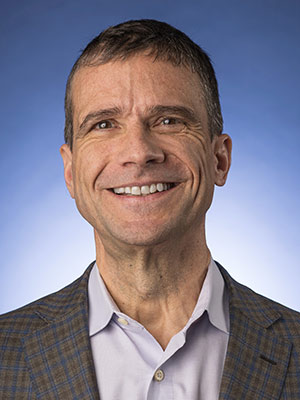 Program director
